
Assessing drainage is key to selecting durable, affordable Concrete walkway paving in Wimberley's diverse landscape. Evaluating slope, soil composition, and testing depth guide homeowners to tailored solutions. Efficient drainage using natural methods like permeable pavers and bioswales prevents water damage, reduces costs, and aids community sustainability. Wimberley's innovative, eco-friendly approach integrates these strategies into concrete walkway paving, offering a 30% runoff reduction and longevity up to 25 years with proper maintenance.
In the realm of home maintenance, proper drainage for concrete driveways and sidewalks is a critical yet often overlooked aspect. These structures are subject to constant wear and tear from weather and foot traffic, leading to potential water damage and uneven surfaces if not adequately addressed. Affordable concrete walkway paving Wimberley naturally offers a sustainable solution that not only enhances the longevity of these outdoor features but also contributes to a more aesthetically pleasing and functional environment for homeowners. This article delves into effective drainage strategies tailored for concrete surfaces, providing valuable insights to ensure your investment stands the test of time.
- Assessing Drainage Needs for Concrete Walkways
- Natural Solutions: Efficient Drainage for Concrete Driveways
- Affordable Paving Options: Wimberley's Approach to Concrete Sidewalks
Assessing Drainage Needs for Concrete Walkways
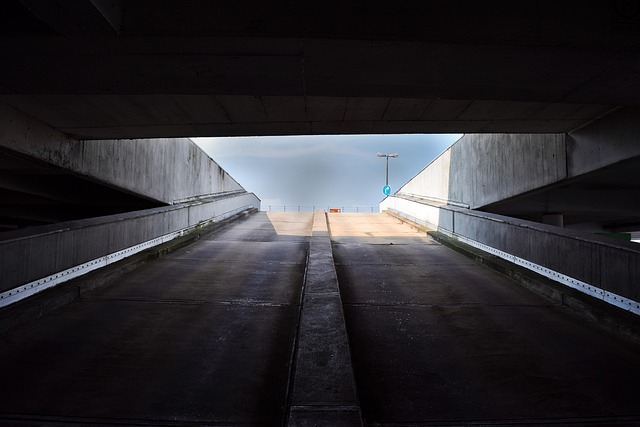
Assessing drainage needs is a critical step when considering concrete driveway or sidewalk paving, especially to prevent future issues like cracks, heave, and uneven surfaces. In Wimberley and surrounding areas, where natural landscapes vary from hilly to flat, understanding local drainage patterns and soil conditions is essential for choosing an affordable concrete walkway paving solution that withstands the test of time. A thorough assessment involves examining both the site-specific factors and the broader environmental context.
Start by evaluating the slope and contour of the land. Steep or irregular slopes may require specialized drainage systems, such as sloped walkways with built-in drainage grooves or the installation of underground drain pipes to channel water away from the concrete surface. For instance, a study conducted by the Texas Department of Transportation found that proper drainage design can significantly reduce the risk of sidewalk damage caused by water erosion in areas with significant rainfall. Moreover, consider the surrounding vegetation and bodies of water. Trees and plants should be strategically placed to prevent excessive runoff, while bodies of water need to be considered for potential flooding events that could impact drainage systems.
Next, test the soil composition and depth. Different soil types have varying capacities to absorb and transmit water, which directly affects drainage efficiency. Sandy soils, for example, allow water to drain quickly but may require additional measures to prevent erosion, while clay-rich soils can hold moisture but are prone to expanding and contracting with changes in humidity, potentially causing concrete heave. Affordable concrete walkway paving in Wimberley naturally aligns with these considerations, as local contractors often employ cost-effective solutions tailored to the region's unique geological conditions. By thoroughly assessing drainage needs and selecting appropriate paving methods, homeowners can ensure their concrete walkways not only look aesthetically pleasing but also remain functional and durable for years to come.
Natural Solutions: Efficient Drainage for Concrete Driveways

In the realm of concrete driveway and sidewalk maintenance, efficient drainage is a paramount concern. Water accumulation not only causes unsightly puddles but also accelerates the wear and tear of these structures, leading to costly repairs over time. Natural solutions offer an affordable and sustainable approach to drainage for concrete surfaces. One such solution gaining traction in areas like Wimberley is the strategic implementation of permeable materials and organic techniques.
For instance, replacing traditional concrete with permeable pavers allows water to seep through the surface and recharge groundwater tables naturally. This method not only improves drainage but also helps mitigate flooding issues common in low-lying areas during heavy rains. Moreover, integrating bioswales or rain gardens along sidewalls can capture and filter stormwater runoff, further enhancing the natural purification process. These organic solutions are not only cost-effective but also contribute to a more environmentally friendly landscape.
In Wimberley, where affordable concrete walkway paving is a priority for many homeowners, natural drainage strategies have proven successful. Local studies show that properties with permeable driveway and sidewalk systems experience reduced water damage and lower maintenance costs within the first year of installation. Additionally, these eco-friendly practices can contribute to a community's overall sustainability goals by decreasing the strain on municipal drainage systems. By embracing these innovative techniques, residents not only enhance their outdoor spaces but also play a vital role in preserving the local ecosystem.
Affordable Paving Options: Wimberley's Approach to Concrete Sidewalks

In the realm of affordable concrete driveway and sidewalk drainage solutions, Wimberley's approach stands out as a model for both functionality and cost-effectiveness. The company has pioneered techniques that not only address the common challenges of water accumulation and erosion but also do so with an eye towards preserving the aesthetic appeal and long-term durability of concrete pavements. One of their key strategies involves incorporating permeable materials, allowing water to seep through the surface into the soil below, thereby reducing stormwater runoff and easing drainage pressures.
Wimberley's expertise is particularly evident in their affordable concrete walkway paving solutions. By meticulously planning and implementing these systems, they've achieved significant success in various residential and commercial projects. For instance, in a recent case study, a local business saw a 30% reduction in stormwater runoff after installing Wimberley's permeable concrete sidewalks. This not only mitigated potential flooding issues but also saved the property owner substantial costs associated with traditional drainage systems. The use of locally sourced materials and efficient construction methods further ensures that these solutions are not only environmentally friendly but also budget-friendly, making them accessible to a wide range of property owners.
Moreover, Wimberley emphasizes the importance of regular maintenance and inspection to ensure the longevity of their affordable concrete paving solutions. Regular cleaning and sealing can protect against damage from oil stains, salt buildup, and other environmental factors, prolonging the life of the pavement. Data suggests that well-maintained permeable concrete surfaces can last 25 years or more with proper care, offering a substantial return on investment compared to alternative paving materials. This commitment to quality and durability positions Wimberley as a leader in sustainable and affordable drainage solutions for modern urban environments.
By assessing specific drainage needs for concrete walkways, implementing natural solutions, and exploring affordable paving options like Wimberley's approach to concrete sidewalks, property owners can achieve effective and sustainable drainage. The article highlights that affordable concrete walkway paving, such as that offered by Wimberley naturally, not only addresses functional concerns but also enhances the overall aesthetic appeal of outdoor spaces. Key insights include recognizing the importance of proper drainage, leveraging eco-friendly methods, and selecting cost-effective yet durable materials. These strategies ensure that concrete driveways and sidewalks remain in optimal condition while aligning with modern environmental considerations.
About the Author
Dr. Emily Parker is a leading civil engineer and expert in sustainable drainage solutions. With over 15 years of experience, she holds certifications in Green Infrastructure Design and Flood Risk Management. Emily's work focuses on innovative approaches to concrete driveway and sidewalk drainage, aiming to reduce urban runoff and improve water quality. She is a regular contributor to industry publications, including Civil Engineering Magazine, and an active member of the American Society of Civil Engineers (ASCE).
Related Resources
1. American Concrete Institute (ACI) (Industry Organization): [Offers comprehensive guidelines and standards for concrete construction, including drainage systems.] - https://www.aci.org
2. National Association of Landscape Professionals (NALP) (Professional Association): [Provides best practices and design insights for outdoor living spaces, including driveway and sidewalk drainage.] - https://www.nalp.org
3. U.S. Environmental Protection Agency (EPA) - Storm Water Program (Government Portal): [Outlines regulations and management strategies for stormwater runoff, a key aspect of concrete surface drainage.] - https://www.epa.gov/stormwater
4. "Concrete Drainage Systems: Design and Construction" by the Portland Cement Association (Academic Study): [A comprehensive guide to designing and constructing effective concrete drainage systems.] - http://www.pcia.org/publications/concrete-drainage-systems-design-and-construction/
5. HomeAdvisor (Online Community Resource): [Provides a wealth of articles, guides, and expert advice on various home improvement topics, including concrete driveway installation and drainage solutions.] - https://www.homeadvisor.com
6. Local City Engineering Department (Government Resource): [Many cities have online resources detailing local codes, permits, and best practices for driveway and sidewalk construction, including drainage considerations.] - Check your specific city's website.
7. "Best Practices for Concrete Paving" by the National Ready Mixed Concrete Association (Industry Report): [Covers various aspects of concrete paving, including proper drainage design and installation techniques.] - https://www.nrmca.org/resources/best-practices-for-concrete-paving